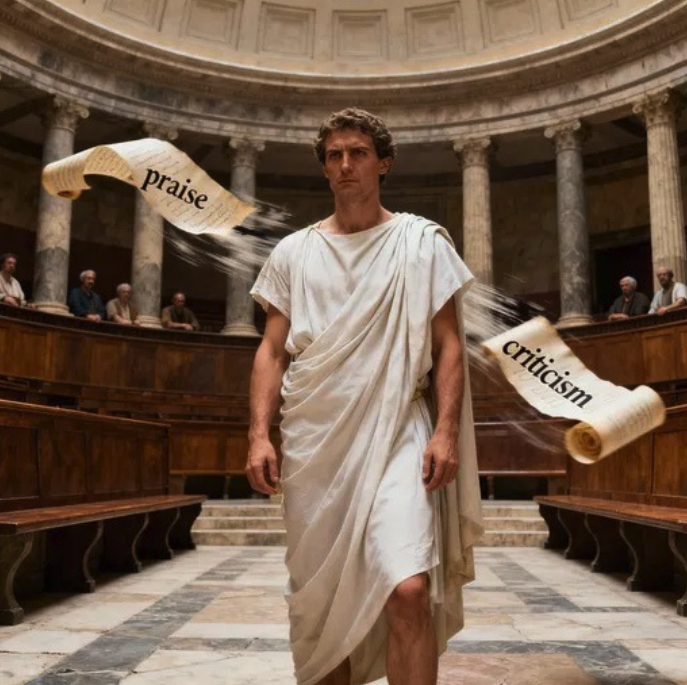
Stillness Is Your Most Underrated Leadership Strength

The world rewards speed. It celebrates the grind. People wear busyness like a badge of honour.
But the best leaders I've coached know something different.
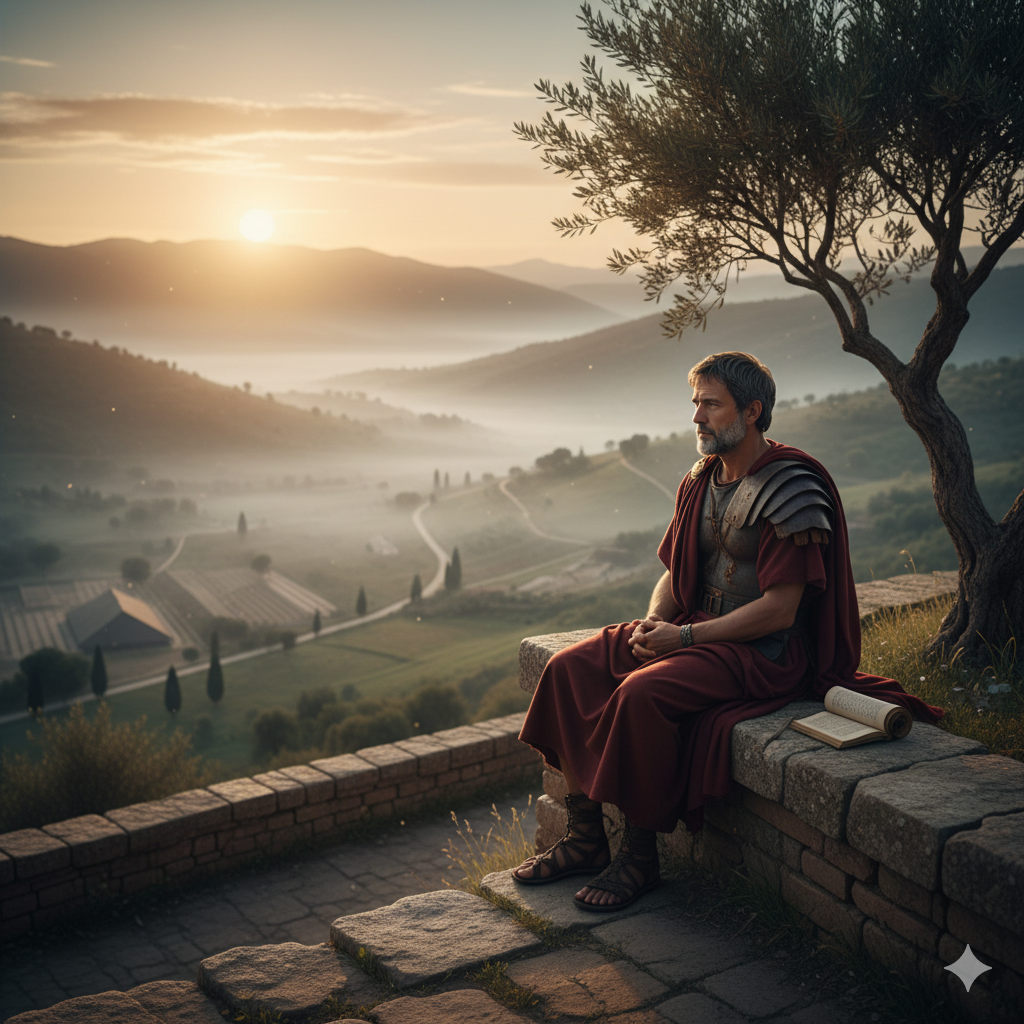
Seneca believed that if people could find peace within themselves, all else would be possible. Thought, work, a good life. Even if the world around them was at war.
That ancient perspective challenges everything modern work culture teaches us about productivity.
The Busyness Trap
Your calendar is packed. Your inbox never empties. You're in back-to-back meetings, responding to messages, putting out fires.
You feel productive.
But are you leading?
The data tells a different story. Research shows that 82% of employees are at risk of burnout. Executives now spend nearly 23 hours a week in meetings, up from less than 10 hours in the 1960s.
More motion. Less clarity.
The workplace glorifies perpetual activity. It equates stopping with falling behind. But constant motion creates a dangerous illusion. You mistake activity for progress, reaction for leadership.
And here's what makes it worse: it takes 23 minutes to refocus after an interruption.
That means most leaders operate in a state of perpetual semi-attention. Never fully present. Never fully focused. Always slightly scattered.
What Stillness Actually Means
Stillness doesn't mean inactivity.
It means an intentional pause. Strategic withdrawal. The discipline to stop moving long enough to see clearly.
In a ruler or any person of responsibility, stillness allows for a thoughtful response rather than reactive behaviour. That's not a weakness. That's leadership.
I've worked with senior leaders across more than 40 countries. The ones who make the most significant impact share a common trait. They create space to think before they act.
They don't confuse urgency with importance. They don't let their calendar dictate their priorities. They lead with intention, not reflex.
The Evidence For Pause
The science backs this up.
Leaders who took regular strategic pauses demonstrated 23% better decision-making capabilities and higher team satisfaction scores.
Your brain requires moments of quiet to process information and make novel connections. The default mode network activates during rest, synthesising emergent thoughts. Those moments of apparently doing nothing are when your most innovative solutions often emerge.
Workplace mindfulness training improves three self-leadership capacities: mindful task management, self-care, and self-reflection. It also strengthens two leadership capacities: relating to others and adapting to change.
The pattern is clear. Stillness doesn't diminish performance. It enhances it.
The Countercultural Choice
Choosing stillness in a world that values speed is a radical act.
It requires courage to step off the treadmill. To say no to another meeting. To protect time for thinking instead of filling every minute with activity.
Most leaders won't do it. They'll keep grinding. Keep reacting. Keep mistaking motion for momentum.
But you're not most leaders.
You understand that leadership isn't about doing more; it's about doing better. It's about focusing on what matters. And you can't identify what matters when you're constantly in motion.
Three Ways To Practice Stillness
Start your day with clarity, not chaos. Before opening your inbox or checking messages, spend 10 minutes identifying your priorities. What actually needs your attention today? What can wait? What should you delegate or delete?
Build pause into transitions. Between meetings, take two minutes. Close your eyes. Breathe. Could you let your mind process what just happened before moving to the next thing? This simple practice helps prevent cognitive overload and enhances decision quality.
Protect thinking time. Block time on your calendar for strategic thinking and planning. Treat it like any other important meeting. Use it to step back, see patterns, and consider direction rather than just tactics.
These aren't productivity hacks. They're leadership practices.
The Real Question
In a world that never stops moving, the ability to pause is a competitive advantage.
Not because stillness makes you slower. Because it makes you clearer.
Clear about what matters.
- Could you clarify where you're going?
- Could you clarify how to get there?
Seneca was right. When you find peace within yourself, all else becomes possible.
How do you create space to lead with intention?
#StoicWisdom #Coach #Coaching #ICFCoach #ICF #PCC #SaudiArabia #KSA #Riyadh #Vision2030 #Leader #Leadership #Development #Growth #HumanAI